Estimated reading time: 3 minutes
I’ve written before about a favorite problem-solving model of mine called STP (Situation – Target – Proposal).
SITUATION allows us to examine what is taking place. What’s the situation we’re faced with?
TARGET refers to our goal. And it’s important to remember that our ideal goal might not be achievable right now. We might have to consider a secondary or tertiary goal.
PROPOSAL is the path we will take to accomplish the target goal. We might have to think differently, especially if the target isn’t what we have experience with.
I wanted to elaborate on the model today and share some questions that could be helpful during the phases of problem solving. Some of these questions might sound very basic (and they are) but that doesn’t mean we should skip over them. Sometimes it’s the very basic questions that can help us focus and create good outcomes.
Phase 1: Identifying the Target
- What are we trying to accomplish?
- If the problem were solved, what exactly would be happening?
Phase 2: Assessing the Situation
- What exactly is wrong?
- Who is involved in the problem?
- Where is the problem taking place? It’s possible that a problem could be happening in just one location or one department.
- When did the problem begin? Resist the temptation to say, “It’s always been this way.”
- When was the problem first observed? This is different from the previous question.
- What is the extent and/or the pattern of the problem?
Phase 3: Conducting a Resource Analysis
- What is most likely the cause of the problem? Just a reminder that we might not have a firm cause at this point. It’s okay to identify a likely cause and possibly test a hypothesis.
- What resources exist to solve the problem?
Phase 4: Generating Proposals
- What are some ways to move from the present situation to the target? Maybe do a traditional gap analysis. Maybe do multiple gap analysis representing the various options available.
- What will change? For each path, it can be helpful to identify what will change.
- What will stay the same? And for each path, identify what will remain the same. This can be helpful in the next Phase.
Phase 5: Selecting Proposals
- Is the proposal appropriate? Is it ethical? Does it align with personal and professional values?
- Is the proposal attainable? Can we accomplish it?
- Is the proposal attractive? Will stakeholders support it?
- Is the proposal adaptable? Could we change it if conditions require?
Phase 6: Planning and Implementation
- What might go wrong? Talk about this now. It could help create buy-in.
- What can be done now to prevent that from happening? Be proactive.
- What should be done if that does happen? Hopefully, it won’t come to this, but planning in advance can make a difference when challenges arise.
Remember that making decisions is one of the three reasons to have a meeting. Trying to solve a problem is about making a decision. Even if the decision is “We’re not going to do anything right now.” This 20 questions list can be helpful during these types of meetings. Put someone in charge of having the list handy. Make sure to answer all the questions. See where the answers take the conversation.
Being able to effectively and efficiently solve problems is important for business success. I’d love to say that problem solving is always quick and the solutions are always obvious. But we all know that’s simply not true. Having a proven problem-solving model makes the process easier to manage.
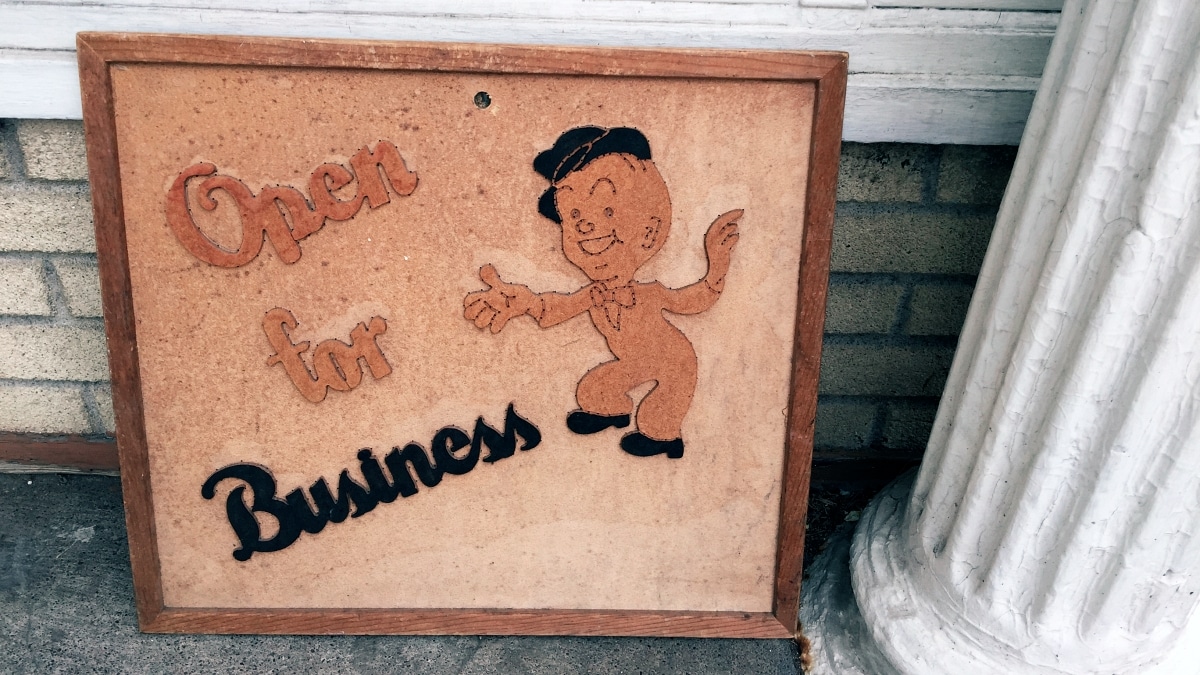
Image captured by Sharlyn Lauby while exploring the streets of Stillwater, MN